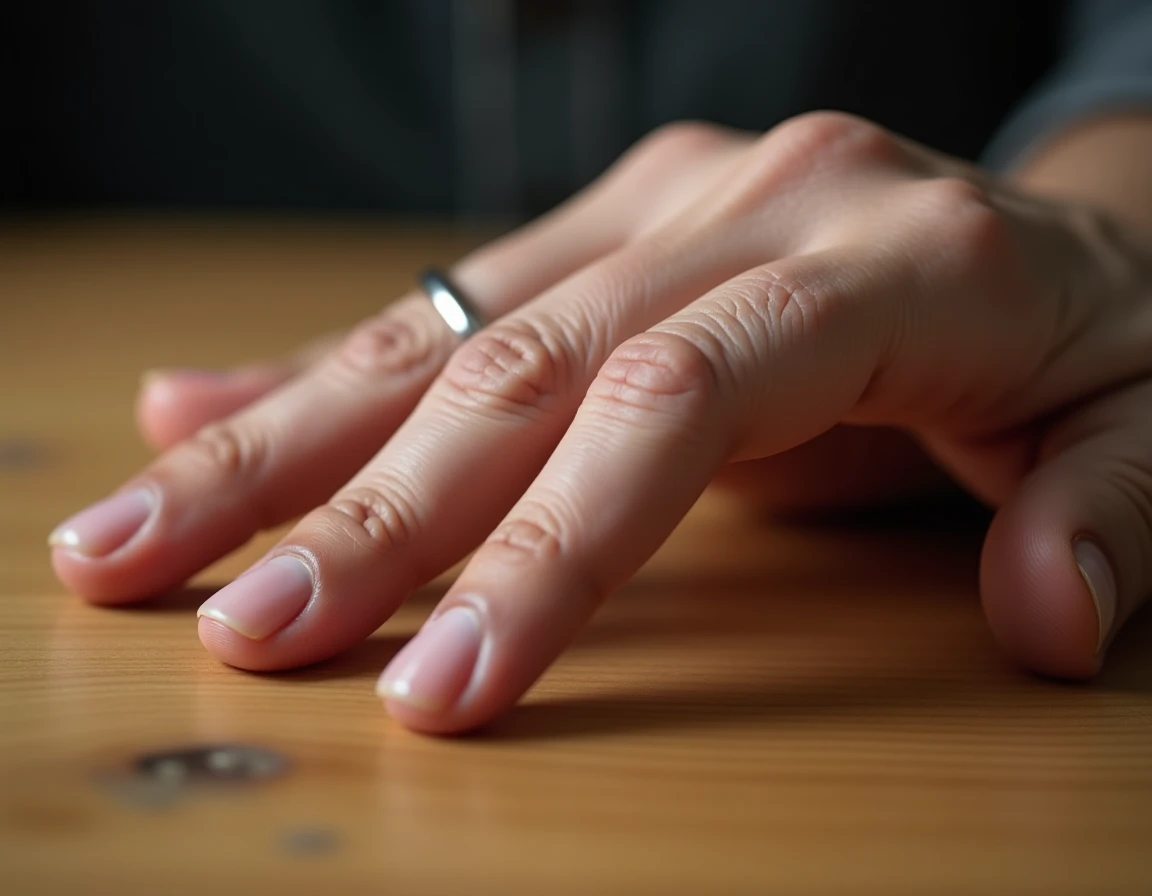
The long nail on the little finger is not just a folkloric vestige. This practice, still widespread in several regions of Asia, West Africa, and among certain diasporas, is based on specific logics that intertwine social markers, utilitarian functions, and contemporary regulatory constraints.
Long little finger nail and police checks: a documented behavioral indicator
In Europe and North America, the long nail on the little finger is sometimes noted in police and customs reports as a behavioral indicator suggesting drug use, particularly cocaine. Testimonies from police officers, customs officials, and lawyers shared on legal forums confirm that this nail draws attention during roadside or border checks.
The indicator does not constitute proof in itself. It feeds into a bundle of presumptions and can trigger a thorough search or a saliva test. For those who have this nail in a strictly cultural or utilitarian context, this association remains a source of recurring misunderstandings.
We observe that this confusion is particularly frequent in airports, where visual profiling complements automated detection tools. A traveler from Southeast Asia or West Africa with a long little finger nail is subject to increased scrutiny unrelated to their actual practices. Understanding why to keep a long little finger nail is primarily about a cultural heritage often overlooked by agents trained solely in Western codes.
Social status and idleness: the Asian reading code
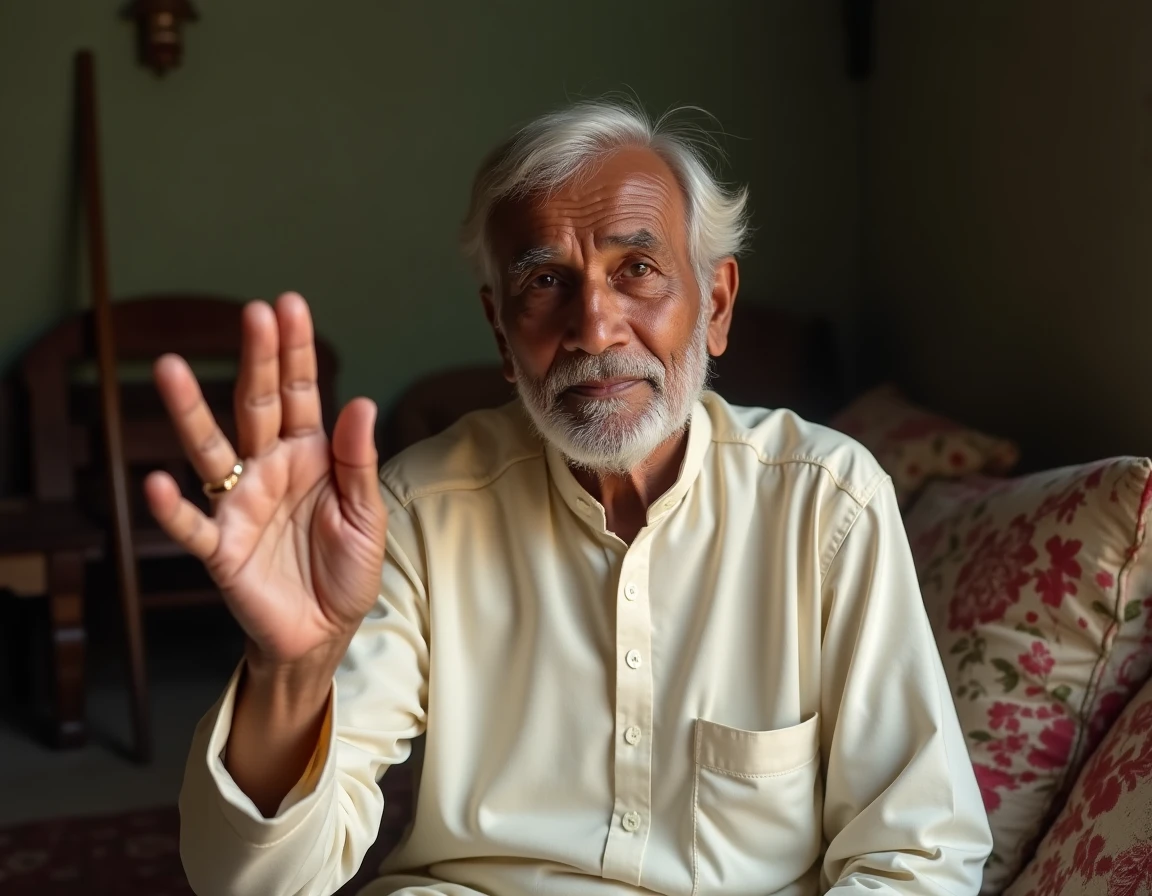
In China and Vietnam, the long little finger nail functions as a marker of high social status. The logic is simple: a man who does not work with his hands can afford to let a fragile nail grow. This visual code signals an assumed distance from manual labor.
Among Vietnamese men, the tradition persists in commercial circles and among certain executives. The long little finger nail signifies that its bearer delegates physical tasks. Recent ethnographic analyses confirm that this interpretation remains alive, even among urban youth.
A sign that reads differently depending on the context
In the high historical castes of several regions of Asia, wearing one or more long nails on the hands was a sign of rank. The practice has gradually focused on just the little finger, which is more discreet and less cumbersome in daily life.
This restriction to one finger is not trivial. It allows for the preservation of the social signal while maintaining the functionality of the hand. The little finger is the least used in grasping, making the long nail compatible with most daily activities.
Long little finger nail as a tool: concrete utilitarian functions
Beyond the symbol, the long little finger nail serves practical functions documented in several cultures:
- Opening envelopes, peeling labels, and handling small flat objects in contexts where a letter opener or dedicated tool is not available
- Fine scratching of surfaces (cleaning residues in a device, removing earwax), a common hygienic use in Southeast Asia and West Africa
- Stimulation of precise acupuncture points in traditional Chinese medicine, where some practitioners use their own nail as a targeted pressure instrument
- Improvised measuring tool for approximate dosages (tea, spices, tobacco), with the nail serving as a miniature spoon
These uses explain why the practice survives in areas where social status is not at play. The long nail replaces a tool that many do not have on hand.

Hygiene and safety regulations: a practice under pressure
The compatibility of the long nail with professional hygiene standards poses an increasing problem. In the food service, nursing, and early childhood sectors, regulations in several countries require short nails on all fingers, without exception.
The health risk is identified: a long nail retains more germs and microorganisms under its free part, even with rigorous hand washing. The micro-cuts caused by an untrimmed nail represent a vector for cross-contamination in sensitive environments.
Sectors affected by the ban
In France, the HACCP reference applicable in collective catering requires short and clean nails for all personnel in contact with food products. Hospital protocols follow the same logic. A caregiver with a long little finger nail is subject to a reprimand or even disciplinary action.
This regulatory pressure creates a direct tension with the cultural dimension of the practice. A Vietnamese chef or a Réunionese caregiver may find themselves compelled to abandon an identity marker to conform to their professional framework.
Long little finger nail and identity: between heritage and stigma
In Réunion, the practice of the long little finger nail intertwines Asian cultural heritage (Chinese and Indian origin communities) and local habits passed down through generations. The gesture does not carry the same connotation there as in Western metropolises, where it is often reduced to an association with drug use.
This divergence in interpretation illustrates a broader phenomenon: the same bodily sign radically changes meaning depending on the culture of the observer. In countries where the practice is common, no one associates it with illicit use. In those where it has disappeared, it becomes suspicious.
The choice to keep a long little finger nail remains, in most cases, a deliberate act that combines cultural identity, practical function, and status affirmation. The reasons vary among individuals, but they share a common point: they almost never align with the spontaneous interpretation of a Western observer. The next time this nail catches your attention, the geographical and professional context of its bearer will tell you more than any prejudice.