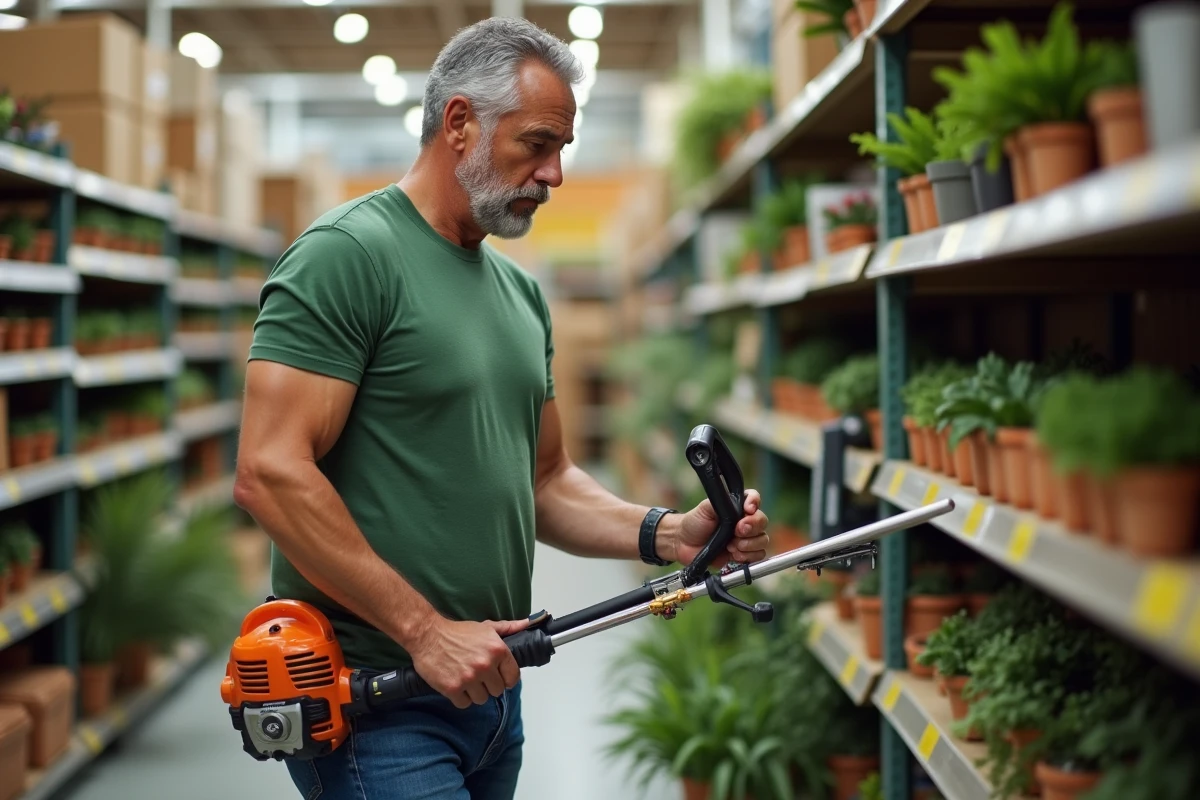
A battery-powered trimmer can lose up to 30% of its power if the outside temperature drops below 10°C. Despite its apparent simplicity, the compatibility between cutting width and grass density remains a crucial criterion that is often overlooked.
The lifespan of a nylon line varies from one to three times depending on the type of vegetation encountered. Safety standards differ from model to model, sometimes imposing unsuspected usage restrictions for individuals.
Trimmer or brush cutter: understanding the differences to make the right choice
Choosing between a trimmer and a brush cutter starts with questioning the nature of your garden and the frequency of your interventions. The trimmer stands out for its maneuverability and lightness, a true ally for all finishing touches: trimming grass along a border, edging a flower bed, shaping the outline of trees. Some models focus on discretion, with electric or battery power reducing noise levels and simplifying maintenance, perfect for reasonably sized spaces.
On the other hand, the brush cutter does not hold back. More powerful and generally gas-powered, it is the tool for large areas, tall grasses, and overgrown terrains where plant density tests the limits of less robust machines. Brambles, nettles, dense vegetation: here, you need responsiveness and endurance.
To clarify the uses, here are the strengths of each device:
- Trimmers: suitable for well-maintained gardens, pathways, meticulous finishes, and small areas.
- Brush cutters: designed for tough terrains, overgrown areas, thick grasses, and prolonged work.
Behind these differences also lie technological choices: corded power for unlimited working time, lithium-ion battery for mobility, gas engine for pure performance. To go further, coupe-bordure.com offers comparisons and detailed reviews, updated every year. Before making a decision, ask yourself the right questions: what area to cover, how often will you use it, and what constraints are related to the terrain configuration? These criteria naturally guide you towards the tool that will best meet your expectations.
What criteria should be prioritized to select a device suitable for your garden and needs?
Choosing a suitable trimmer leaves no room for improvisation. Given the range of models and technologies, it is best to first focus on power based on the plants to be cut. For a well-kept garden, an electric motorization works perfectly. But as soon as the vegetation thickens, a powerful battery or a gas engine becomes essential.
For lithium-ion battery models, runtime is a key factor. Nothing is more frustrating than a device running out of juice in the middle of a job: therefore, aim for a capacity that matches the area to be treated.
Comfort should not be overlooked either. Certain features can radically transform the user experience: a telescopic handle to adapt to all heights, an adjustable front handle to spare your back, a carrying strap to relieve your arms during long sessions. As for the cutting width, it determines the speed of work: the wider the head, the faster you progress; the narrower it is, the more precision you gain in finishing.
The choice of cutting system is crucial. Here’s what to remember:
- The nylon line is perfectly suited for soft grasses and delicate edges.
- The plastic blade offers a good compromise for slightly tougher grasses.
- The metal blade tackles brambles and thick vegetation without fail.
Don’t forget about ease of maintenance: quick access to the cutting head, hassle-free line changes, and the availability of spare parts. A good price-quality ratio takes into account the battery lifespan and the cost of consumables over the seasons. For those who want to dissect each model, the platform coupe-bordure.com publishes detailed analyses and independent tests, allowing you to refine your choice with full knowledge of the facts.
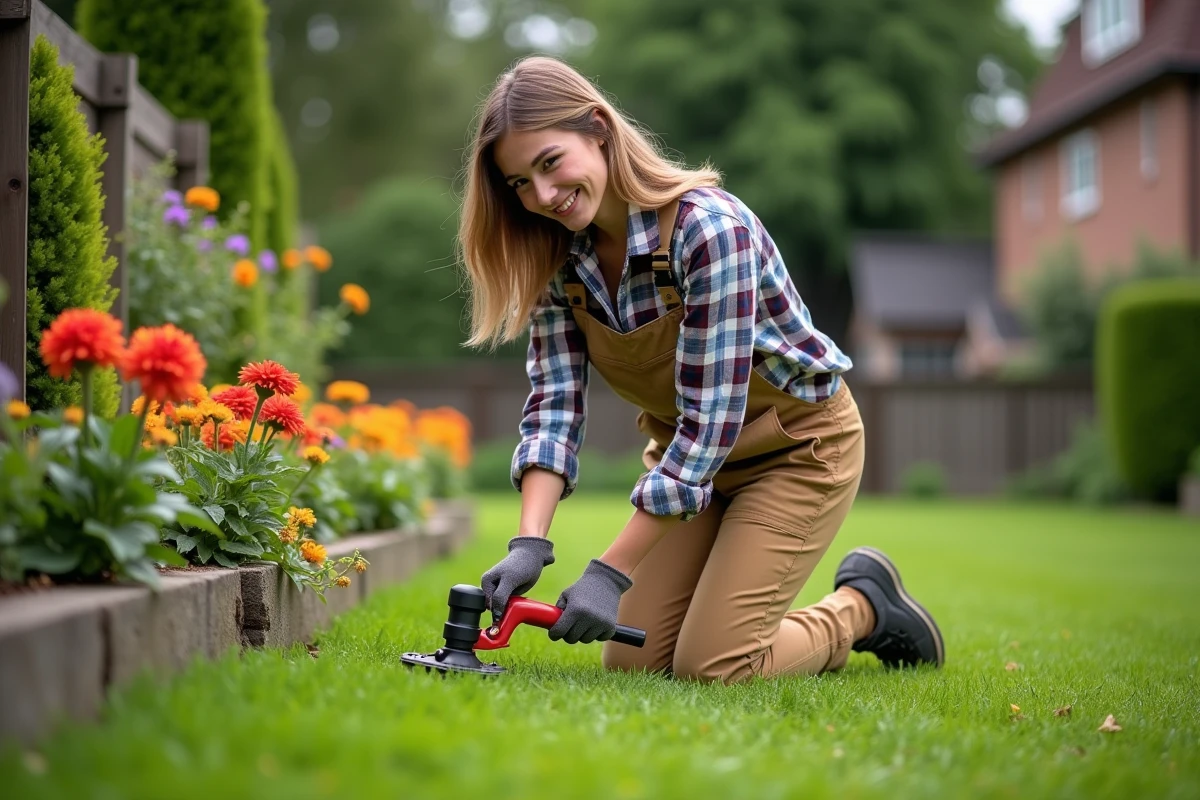
Brands, models, and maintenance tips: towards a neat and sustainable garden all year round
The reliability of a trimmer is rooted in the quality of manufacturing and the choice of materials. Premium models stand the test of time thanks to careful design, thick plastics, robust assemblies, and a range of accessories that make daily use easier: guiding wheels, ergonomic harnesses, additional batteries for battery-operated devices.
Regular maintenance makes all the difference in the lifespan of the device. Here are the actions to adopt to ensure the longevity of your equipment:
- Clean the cutting head after each use, remove grass residues, and check the condition of the line or blades
- Check and lubricate moving parts according to the manufacturer’s recommendations
- Ensure a responsive after-sales service and the availability of spare parts
To avoid getting stuck in the middle of the garden, it’s better to anticipate: a fast charger and a backup battery for a battery model, a stock of lines or blades to avoid running out at the wrong moment.
The versatility of current models allows you to adapt the tool to the task of the day by changing the cutting head or adding specific accessories. This flexibility, coupled with diligent maintenance, ensures a neat lawn, impeccable borders, and a garden that leaves nothing to chance, season after season.
The regularity of these actions, the quality of the equipment, and the ability to anticipate needs make the difference between a garden that is merely maintained and a space that inspires admiration, even after a harsh winter or a scorching summer.