Brittany produces a volume of cultural events each year that few other French regions can match. But how is this event fabric actually structured, between historic festivals, new trends, and influence beyond regional borders? This article measures the dynamics shaping Breton news in 2026.
Brittany Festival Internationally: An Indicator of Regional Soft Power
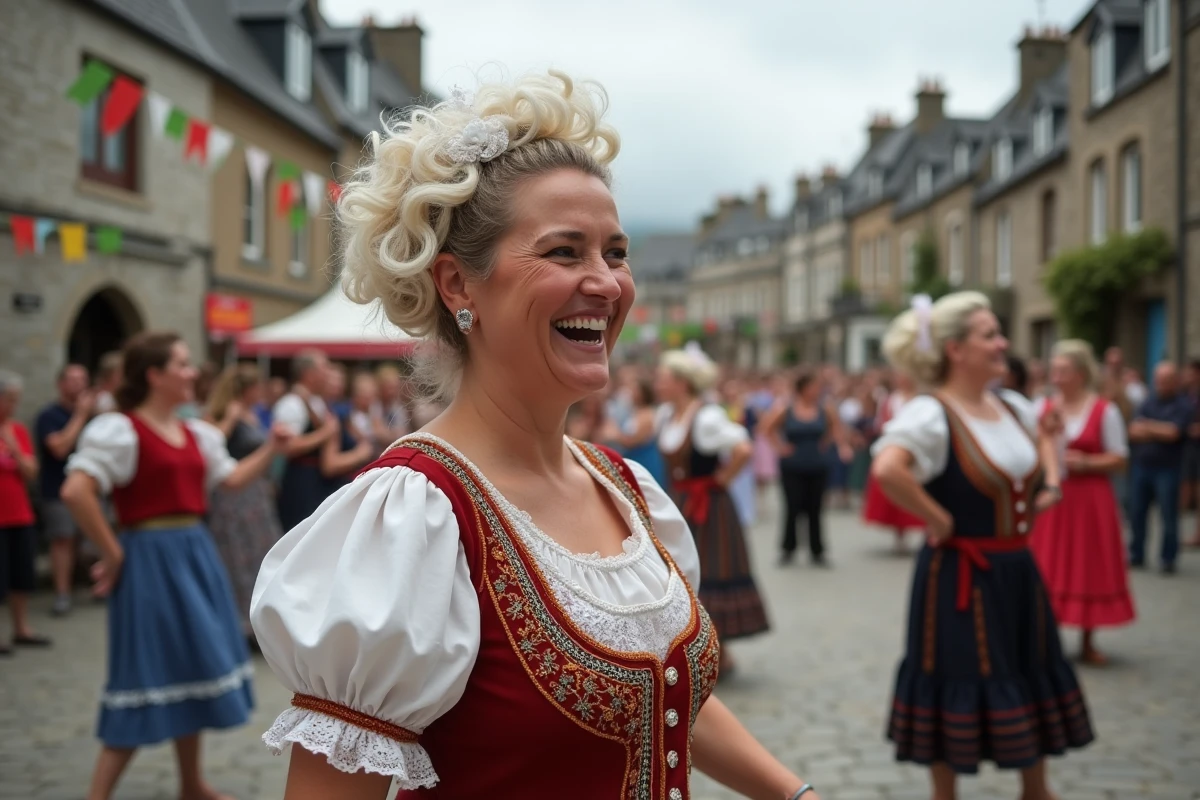
The Brittany Festival is now structured internationally, driven by the Breton diaspora. While the regional press extensively covers events in Finistère, Morbihan, or Côtes-d’Armor, it is the international dimension that best reveals the scale of the phenomenon.
The Brittany Region documents variations organized in several countries. The 2026 edition includes, for example, a Breizh Fest in Minneapolis, entirely dedicated to Breton culture in the United States. This type of event reflects a logic of regional soft power, where Breton culture (music, fest-noz, gastronomy) becomes a vector of attractiveness beyond the territory.
Media outlets like The Daily Breizh relay this Breton news daily, covering both local events and the international ramifications of regional culture.
| Dimension | Local Brittany Festival | International Brittany Festival |
|---|---|---|
| Target Audience | Breton residents, seasonal tourists | Diaspora, curious foreigners |
| Dominant Format | Fest-noz, concerts, craft markets | Breizh Fest, cultural conferences |
| Media Coverage | Regional press (Le Télégramme, Ouest-France) | Community media, English-speaking social networks |
| Funding | Local authorities, regional sponsors | Diasporic associations, institutional partnerships |
This table highlights a structural gap. The international version relies on more fragile associative networks, but it reaches an audience that Brittany would not capture otherwise.
Breton Festivals and Multi-Year Programming: The Professionalization of the Sector
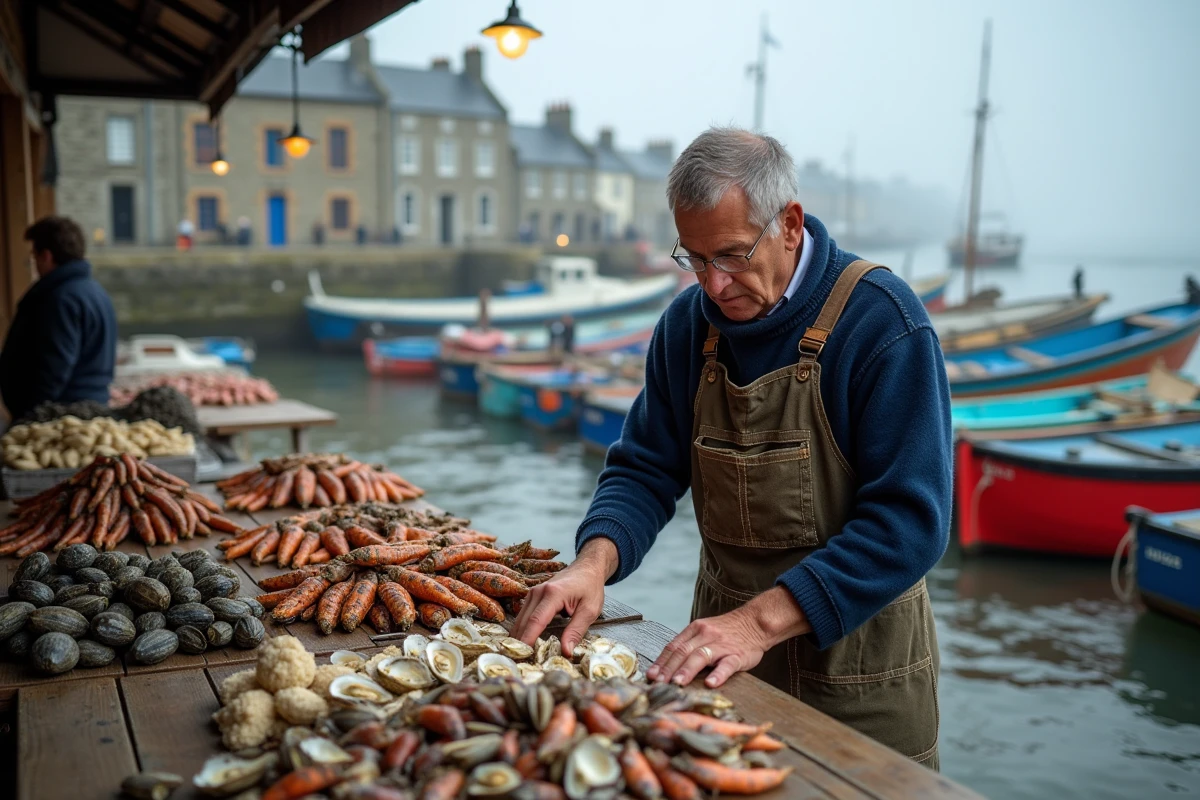
The Interceltic Festival of Lorient, Les Vieilles Charrues, or the Festival of Cornouaille in Quimper no longer operate as events thrown together on the fly. Several major Breton festivals now announce their programming several years in advance, a sign of professionalization comparable to that of national festivals.
This planning alters the relationship with artists and local authorities. Programmers negotiate territorial exclusivities, structuring the Breton festival landscape into areas of influence. A headlining artist at Les Vieilles Charrues in Carhaix will not perform the same week at the Interceltic Festival of Lorient.
Concrete Consequences for Breton Festival-Goers
- Tickets go on sale well before summer, sometimes as early as the previous autumn, changing the purchasing habits of Breton festival-goers
- Early programming allows hosts in Finistère and Morbihan to adjust their rates, creating a measurable price effect on local tourism
- Small festivals, which operate with limited budgets and late programming, struggle to compete in media visibility
The direct consequence: the gap in notoriety widens between large and small festivals. Events like village fest-noz, which are at the heart of Breton culture, remain under-documented by the regional press.
Nature Events and Forests in Brittany: An Emerging Trend
Breton cultural agendas highlight maritime heritage and urban festivals. A more discreet trend has been rising in recent years: events that combine culture, ecology, and forest immersion.
The 2026 edition of the Nights of the Forests features eight events in Brittany, from June 5 to 21. This national festival invites the public to rediscover wooded areas through nighttime walks, artistic performances, and naturalist workshops, finding a conducive environment in Brittany. The Breton forest heritage, often overshadowed by the coastline, gains visibility through this type of initiative.

Why Brittany is Suited to These Formats
The Breton bocage, the interior forests of Brocéliande, and the wooded valleys of central Brittany provide suitable natural settings. These events attract a different audience than large music festivals: families, hikers, and nature heritage enthusiasts.
However, their media coverage remains marginal compared to the programming announcements of Les Vieilles Charrues or the Interceltic Festival. The Nights of the Forests program eight Breton events in June 2026, but this information circulates mainly through specialized media and local blogs.
Breton Culture and Identity: What Cultural Data Reveals
Beyond festivals, Breton cultural news can be read through foundational initiatives. The Breton pardons, these traditional religious processions, are experiencing a resurgence of attention. Several voices from Breton heritage are calling for the preservation of these practices, highlighting their role in identity transmission.
Built heritage also benefits from a renewed national framework. The 2026 Rendez-vous aux Jardins operation, coordinated by the DRAC Bretagne, schedules openings of historic parks and gardens throughout the region. This type of event, less spectacular than an outdoor concert, contributes to a cultural network that goes beyond just summer festivals.
- The Breton pardons combine religious heritage, traditional music, and community gathering, attracting an intergenerational audience
- The Rendez-vous aux Jardins open sites that are usually closed to the public, in both Finistère and Morbihan
- Breton football (Stade Brestois, Stade Rennais) generates sports news that also nourishes regional identity, with recently publicized capital structuring issues in Brest
Breton news is not limited to a calendar of events. It reflects deeper dynamics: professionalization of festivals, internationalization of the Brittany Festival, emergence of nature events. These three axes outline a cultural region that structures its offerings with growing ambition, even if media coverage does not always keep pace.