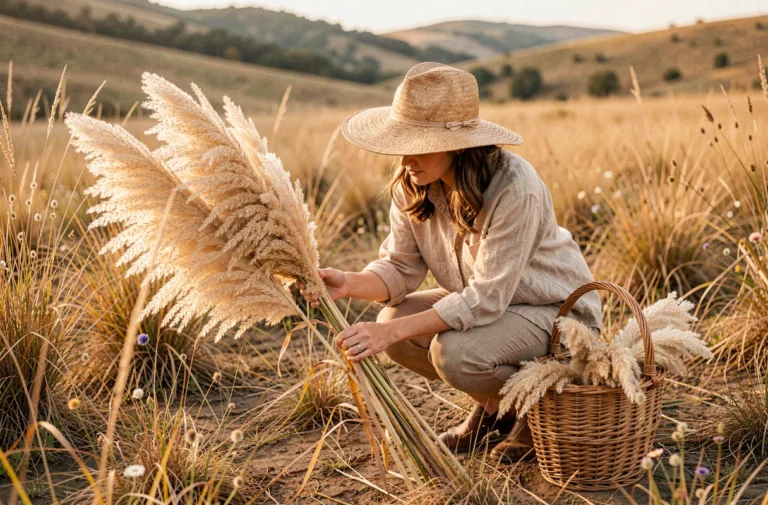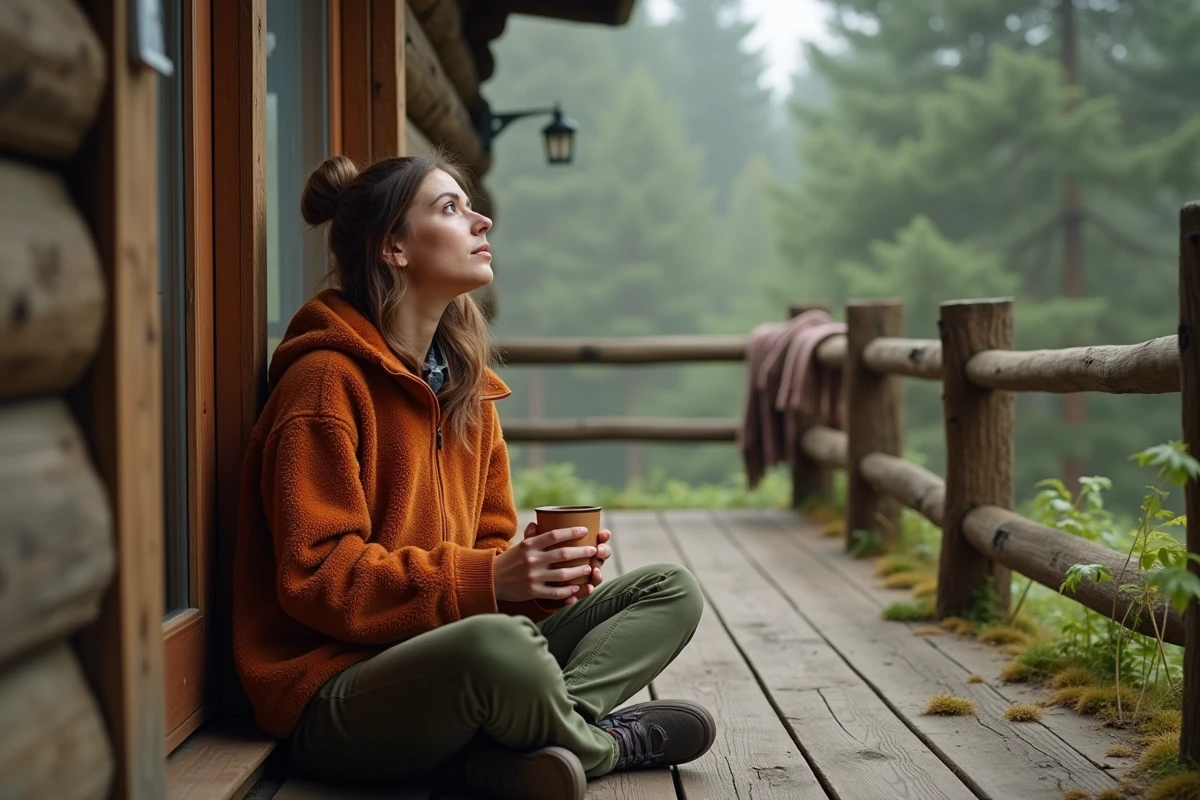
A nature stay in France is not just about a tropical bubble resort with a wave pool. The Center Parcs model, built on standardized cottages in a gated community, remains a reference for families. However, other formats, more flexible or more rooted in their territory, offer a comparable immersion, sometimes at a lower cost and with a more direct contact with the local environment.
Hybrid formats and base camps: the new landscape of family nature stays
The family nature stay market is evolving towards hybrid formats combining fixed accommodation and outdoor activities. Rather than a closed domain with all services on-site, these options combine a base camp (holiday village, gîte, upscale camping) with guided outings in the surrounding area.
Terres d’Aventure has launched base camps designed to simplify family vacations, with central accommodation and organized nature hikes or activities every day. Explora Project, on the other hand, offers itinerant adventures tailored for children, where the group moves from one point to another with logistical support.
This shift from a closed domain to an open base camp changes the very nature of the stay. Instead of consuming activities in a park, the family discovers a terroir, a geology, and local wildlife. For those looking for an alternative to Center Parcs in France, these formats deserve to be considered first.
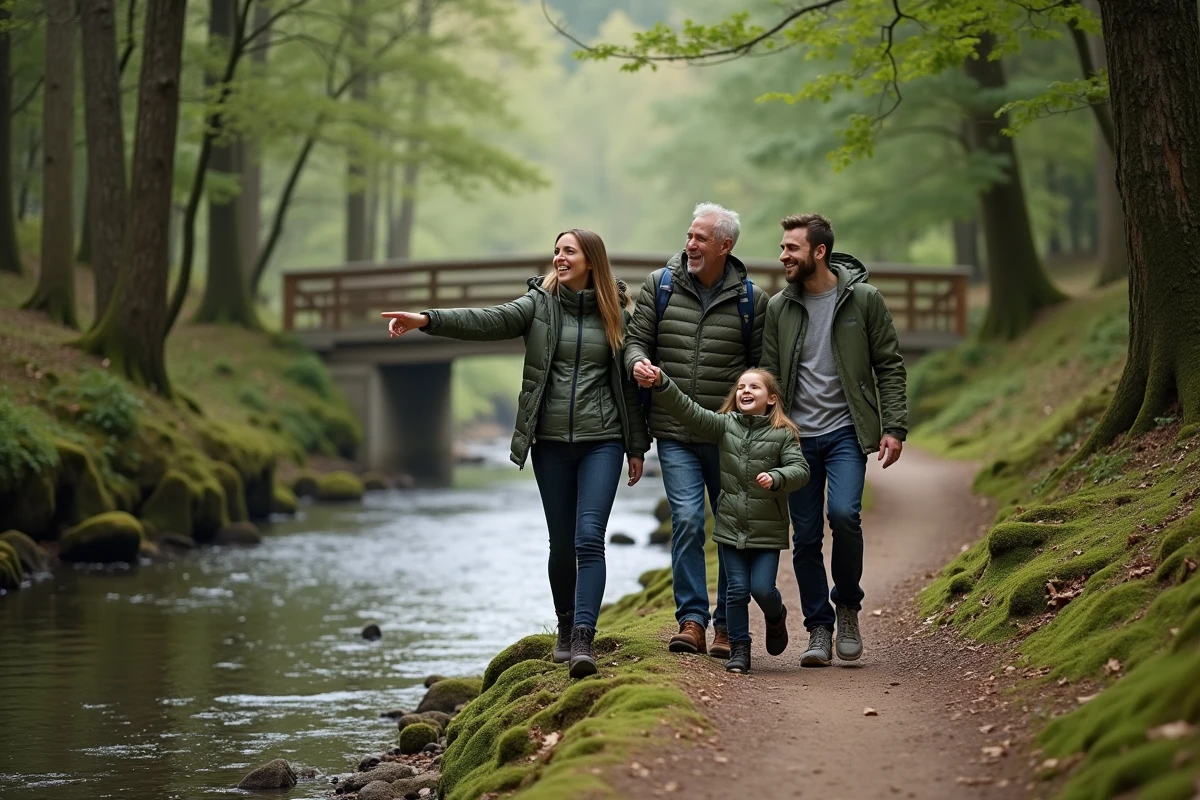
Nature holiday villages in France: three options to compare
Not all alternatives are equal. The choice depends on what the family truly expects: a recreational bubble, an authentic natural setting, or a compromise between the two.
Slow Village: the closest concept on paper
Slow Village, located notably in Nouvelle-Aquitaine (Périgord), claims an eco-responsible approach with wooden accommodations integrated into the landscape. The atmosphere is calmer than a Center Parcs, with a significantly lower capacity. No tropical bubble, but outdoor aquatic spaces and a commitment to architectural simplicity.
This format suits families who find the Center Parcs atmosphere too artificial. The compromise lies in the activities: fewer choices on-site, more outings in the surrounding area.
Belambra: the classic holiday village, nature version
Belambra clubs cover a good part of French territory, with sites in the mountains, on the coast, and in the countryside. Their strength lies in the all-inclusive formula that includes meals and organized activities, a model that Center Parcs does not offer since each activity is charged separately.
The level of accommodation varies by site. Recently renovated clubs offer decent comfort, but the overall experience is less homogeneous than a Center Parcs domain.
Pierre et Vacances: same group, different experience
Pierre et Vacances belongs to the same group as Center Parcs. The residences are often located in ski resorts or on the coast, with a more urban or seaside positioning. The nature offer in the strict sense, with forests and lakes, is less developed, but some residences in the mountains or hinterland provide a true natural setting.
Upscale camping and outdoor hospitality: the alternative families underestimate
Camping has little in common with pitching a tent on a muddy field. French outdoor hospitality now offers modern mobile homes, heated water parks, and structured kids’ clubs. Some four or five-star campgrounds compete with Center Parcs in terms of infrastructure, often for a lower budget.
Well-located campgrounds greatly benefit from the long weekend calendar in May, with bookings rising quickly according to Le Figaro. This format presents a logistical advantage: campgrounds are spread throughout the territory, including near major urban areas, which reduces travel time.
Points to check before booking an upscale campground:
- The date of service for mobile homes: a recent rental park radically changes the perceived comfort, especially for families used to Center Parcs cottages.
- The presence of a covered or heated aquatic area, which conditions the viability of the stay outside the summer season.
- The noise level during peak season: large seaside campgrounds can become noisy in July-August, which does not correspond to the sought-after nature ambiance.
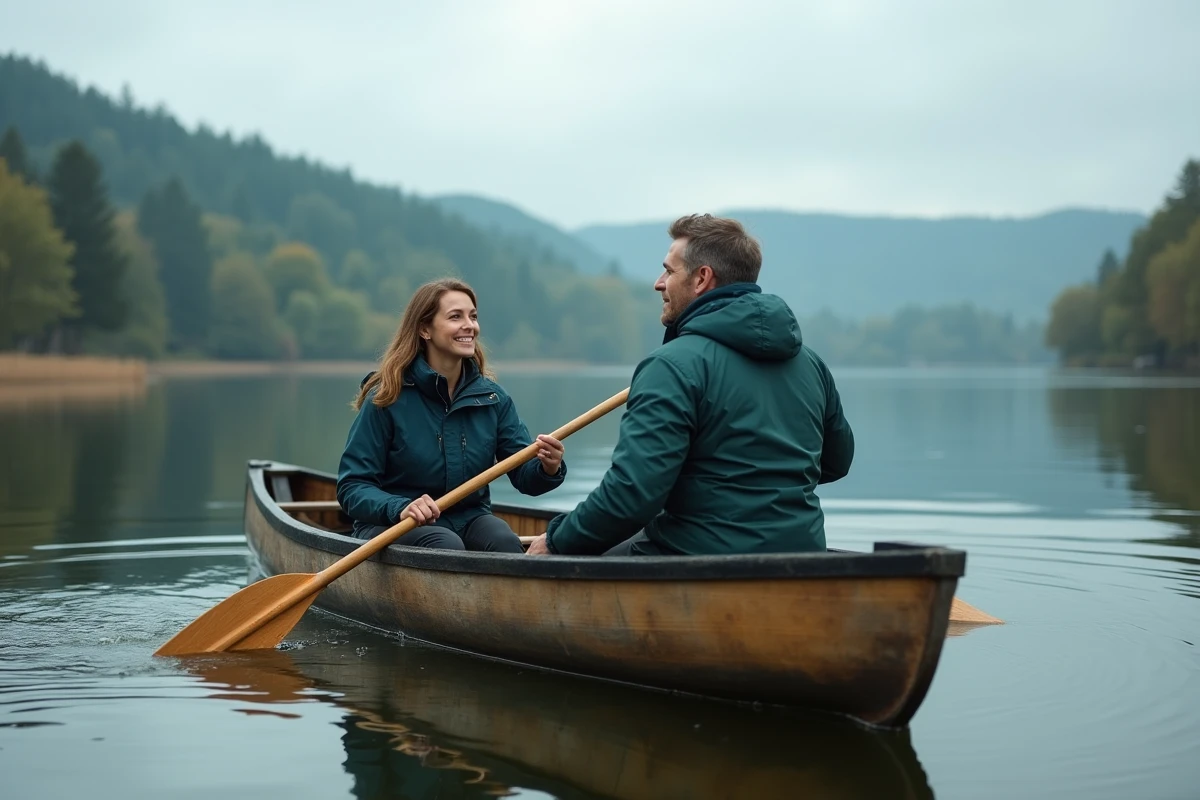
Nature stay for couples or solo: alternatives beyond the family model
Alternatives to Center Parcs are not only for families with children. The demand for slow travel and small accommodation capacities is growing. Structures like eco-lodges, forest cabins, or isolated yurts meet a different need: disconnecting in a natural setting without animation or collective structure.
The Drôme, for example, concentrates a dense offer of nature activities (via ferrata, canoeing, hiking) combined with atypical accommodations. This type of destination also works for groups of friends or couples, where Center Parcs remains very family-oriented with young children.
The determining criterion for these profiles is not the indoor pool but the quality of the immediate environment and the tranquility of the site. An isolated gîte in the foothills with a hiking trail starting from the garden can offer a superior nature immersion compared to any enclosed domain.
Choosing between these formats comes down to balancing standardized comfort and the authenticity of the setting. Domains like Center Parcs guarantee a consistent service regardless of the weather. The alternatives described here require a bit more research in advance, but they open access to territories and experiences that the closed domain model cannot replicate.