
A quality wine is about more than a prestigious appellation or a high price. Choosing a bottle for a shared meal means balancing three factors: the wine’s taste profile, the dishes being served, and the guests’ preferences (or restrictions).
Market data compiled by FranceAgriMer also show that red wine sales are declining faster than white wine sales in supermarkets, a sign that dining habits are changing and red is no longer the automatic choice.
Wine bottle labels: what they really tell you
Before tasting, the label is your first source of information. Most buyers focus on the estate name and appellation, but other details can help you compare two bottles in a similar price range.
Following an update to EU labelling rules, producers can provide the full list of ingredients and nutritional information on a digital platform (via a QR code). However, energy content and allergens must still appear on the physical label. Scanning the QR code before buying lets you check the residual sugar content or whether added sulfites are present—two factors that directly affect how the wine tastes.
The vintage, often overlooked, tells you about the weather conditions during the harvest year. The same appellation can produce a soft, fruity wine one year and a more tannic, closed wine the next. If you’re buying for an upcoming meal, choosing a vintage known to be approachable rather than a great vintage that needs more time in the cellar can help avoid disappointment when it’s served. Specialist platforms such as https://www.10grammes.fr/ offer selections that make it easier to compare bottles in this way.

Red, white or rosé: look beyond the default choice
The decline in red wine sales in France reflects a broader shift. Consumers are discovering that white and rosé wines offer a wider range of food pairings than many people assume. A dry, slightly mineral white goes just as well with grilled fish as with roast poultry, while a structured rosé can stand up to spicy food or summer barbecues.
Red wine is still a good choice for meat in sauce, slow-cooked dishes and aged hard cheeses. But serving only red at dinner means overlooking the variety of dishes and palates around the table.
Choose the wine colour to suit the whole menu
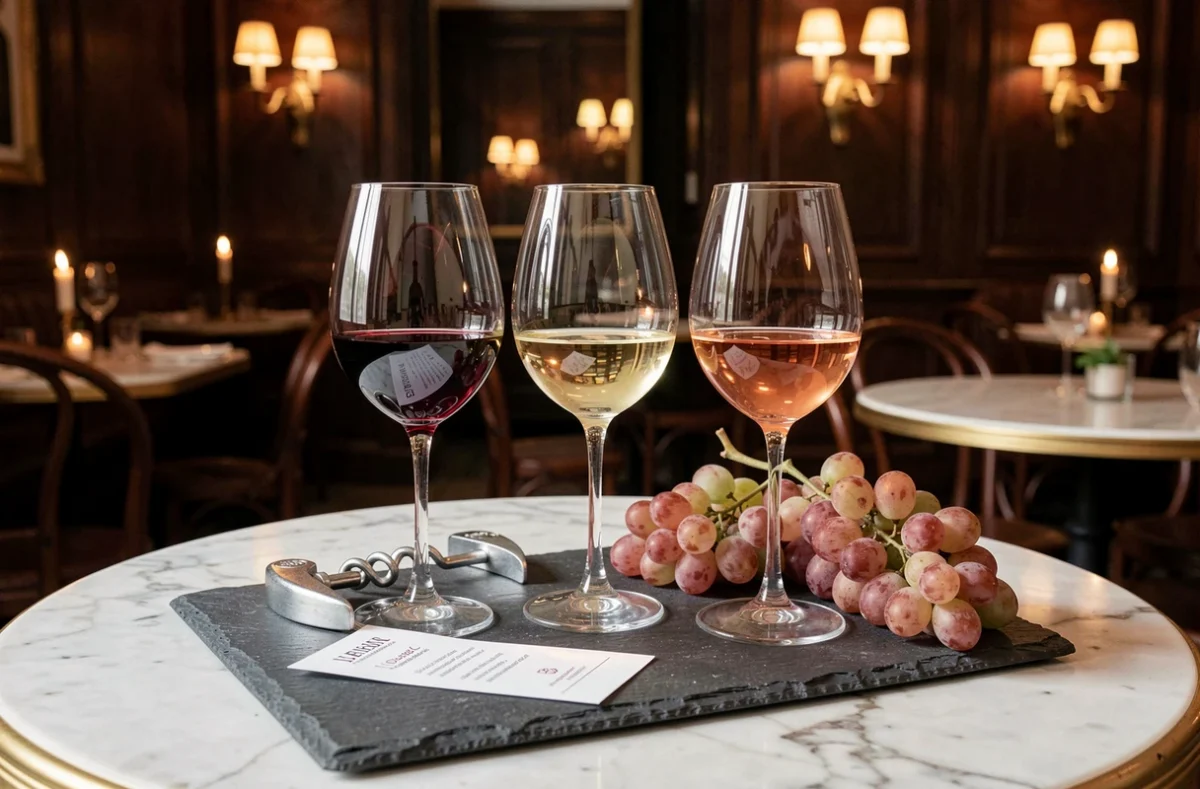
Rather than choosing just one bottle, consider serving two wines of different colours to suit more occasions. A crisp white with the starter and a light red (such as gamay or pinot noir) with the main course make for a well-paced meal without requiring a long list of wines.
- Cold starters, salads, seafood: a dry white or crémant adds freshness without overpowering delicate flavours.
- Red meat, game, dishes in sauce: a medium-tannin red (côtes-du-rhône, saint-joseph) complements the richness of the dish.
- Fruit or chocolate desserts: a vin doux naturel (maury, banyuls) or a demi-sec sparkling wine creates a complementary pairing.
Making guests who drink little or no alcohol feel welcome
Serving wine at the table shouldn’t exclude those who are cutting back or don’t drink at all. Choosing a dealcoholised wine deserves the same care as choosing a conventional wine, provided you check what the bottle actually contains.
Regulations on dealcoholised wines are evolving. It’s important to distinguish between a “dealcoholised” wine (with an alcohol content of 0.5% or less) and a “partially dealcoholised” wine. Check the exact description on the label rather than relying on the marketing to avoid misunderstandings, especially with guests who avoid alcohol for health or personal reasons.
Practical alternatives to serve at the table
A quality dealcoholised wine retains some of the aromatic profile of the original grape variety. Chardonnay- and merlot-based versions are currently among the best on the French market.
Meanwhile, a non-alcoholic sparkling grape drink makes a great alternative to soda for the opening toast. The aim is for every guest to have a glass that feels part of the meal—not just a glass of water by default.
Sparkling wines for aperitifs: comparing champagne and prosecco
Sparkling wine makes for a convivial start to a meal, but the choice between champagne and prosecco is often a point of debate. In French supermarkets, prosecco sales have overtaken champagne sales for the first time, driven by a significant price difference.
Made primarily from the glera grape, prosecco is fruity and light, making it well suited to a relaxed aperitif. Champagne, produced using the traditional method of secondary fermentation in the bottle, develops more complex aromas (brioche, hazelnut) that work well with a more elaborate meal.
- Tight budget, relaxed atmosphere: brut or extra-dry prosecco does the job without pushing up the bill.
- Fine dining or a formal celebration: brut champagne (or crémant de Bourgogne, a less expensive French alternative) adds depth.
- A mixed group of enthusiasts and newcomers: rounded, approachable crémant d’Alsace is an easy crowd-pleaser.
Packaging and reuse: an emerging factor in wine choice
ADEME’s report on packaging shows that glass bottle reuse is far more developed in the hospitality sector than for household packaging. Returnable bottles are not yet the norm in supermarkets, but some wine merchants and online platforms now offer reuse schemes.
For a shared meal, choosing a bottle from a returnable or reusable packaging scheme adds a practical dimension to your efforts. Glass is recyclable, but recyclable doesn’t mean reused—a distinction that matters to anyone looking to reduce the impact of their consumption.
Choosing a wine for a shared meal means balancing enjoyment, budget and consideration for every guest. There’s no single perfect bottle, but there is one that’s right for your table. Check the label, offer different colours, include an alcohol-free option and compare sparkling wines on more than just the prestige of their appellation: these four simple habits can turn a basic accompaniment into a thoughtful choice.