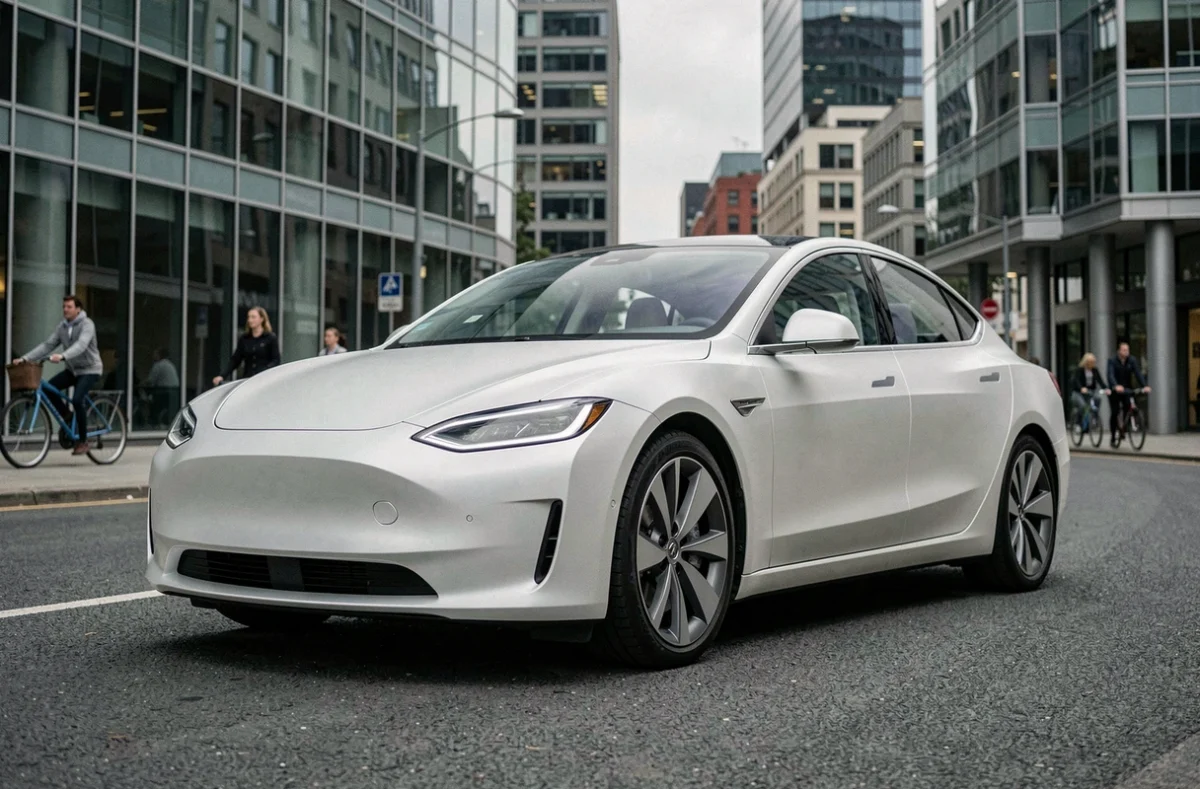
The French automotive market is ending 2026 in a paradoxical position. Electrification is advancing across manufacturers’ lineups, artificial intelligence is making its way into car interiors, and international motor shows are fully booked.
The 2026 Paris Motor Show brought together more exhibitors than in 2024, with a strong showing from Asian brands such as BYD, Omoda, Jaecoo and Chery. Technology is advancing and model ranges are expanding, but one question now runs through the industry: is this transformation benefiting all motorists, or only those who can afford premium vehicles?
Social leasing for electric cars: when demand outstrips affordable supply
Social leasing for electric cars highlights a structural tension. The problem is not a lack of interest among the French, but a shortage of models in the most affordable ranges.
Manufacturers are weighing profitability against volume. Brands are prioritizing better-equipped versions with higher margins, which mechanically reduces the number of vehicles offered at the social leasing rate.
The barrier to electrification is therefore shifting from usage to supply. Two years ago, concerns focused on range and charging networks.
Today, affordable models are the first to run short when demand rises. Public subsidies directly affect the cost of entry and brands’ participation, making the transition dependent on budget decisions that can change from one year to the next. For updates on these industrial and regulatory decisions, one useful resource is https://www.auto-actu.org/.
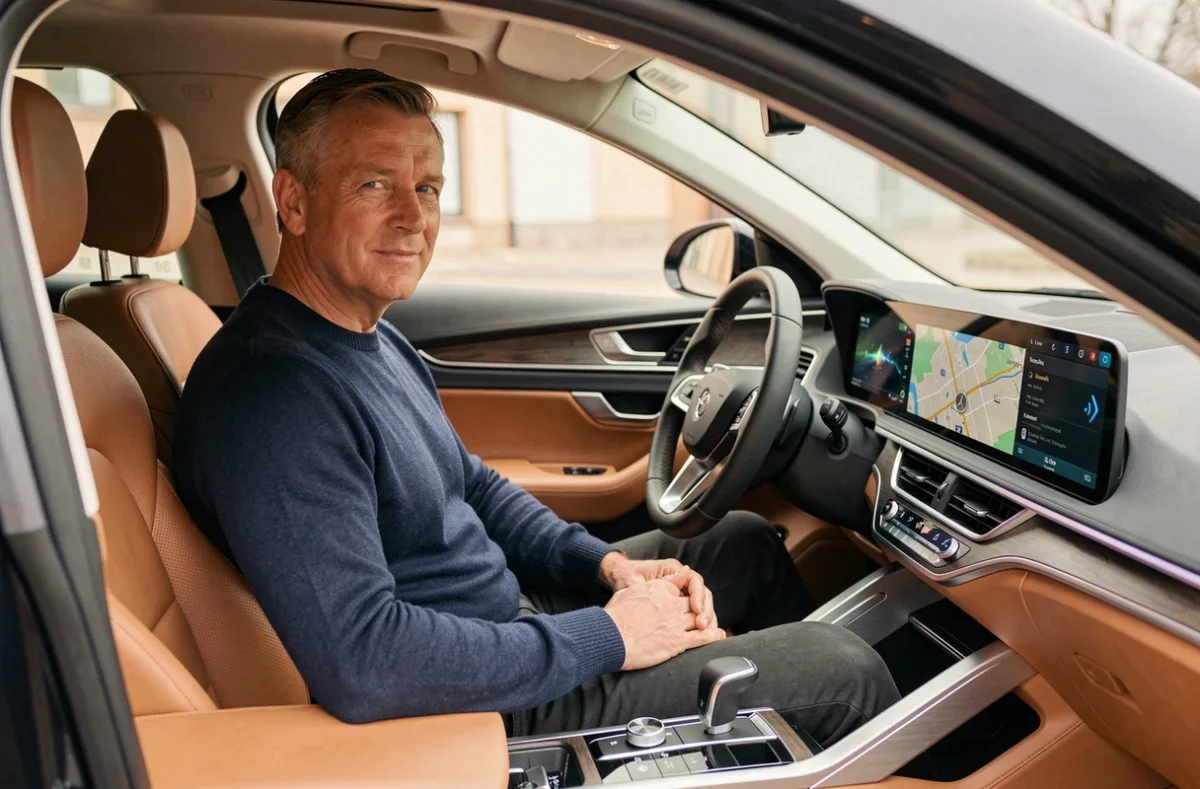
Electric cars in 2026: range and charging are no longer the only challenges
The latest generations of electric vehicles offer greater range and shorter charging times. Solid-state batteries, announced for several years, are beginning to appear in working prototypes. Energy efficiency is also improving, making everyday use less restrictive than it was three or four years ago.
But the central issue is no longer purely technical. It concerns the structure of the market. The supply of affordable cars depends on manufacturers’ commercial decisions, not just on technological maturity. A high-performance vehicle that costs twice the average household budget does not solve the challenge of mass adoption.
The arrival of Asian manufacturers, which often offer better value for money in terms of price, equipment and technology, could shift this balance. Their growing presence at the Paris Motor Show reflects new competitive pressure on European brands. How those brands respond—through regulatory protectionism or by accelerating their own entry-level lineups—remains something to watch.
In-car artificial intelligence: what’s actually changing inside the cabin
Cars are increasingly defined by their software. As Patrice Duboé, Southern Europe Innovation Director at Capgemini, puts it, a car is now “a computer on wheels with sensors, wheels and a roof.” Artificial intelligence is being used in several areas:
- Advanced driver assistance, which uses cameras and sensors to manage emergency braking, lane keeping and automatic parking, is moving towards increasingly reliable levels of partial autonomy.
- AI is accelerating vehicle design and production cycles, allowing manufacturers to shorten the time between prototype and launch.
- Over-the-air software updates transform vehicles after purchase, adding features or correcting behavior without a trip to the dealership.
- Voice assistants and predictive interfaces tailor the in-car experience to the driver’s habits, the weather and traffic conditions.
5G connectivity strengthens these capabilities by enabling real-time data exchange between the vehicle, road infrastructure and cloud services. The software-defined vehicle is no longer just a concept showcased at motor shows: it is now shaping investment across major automotive groups.
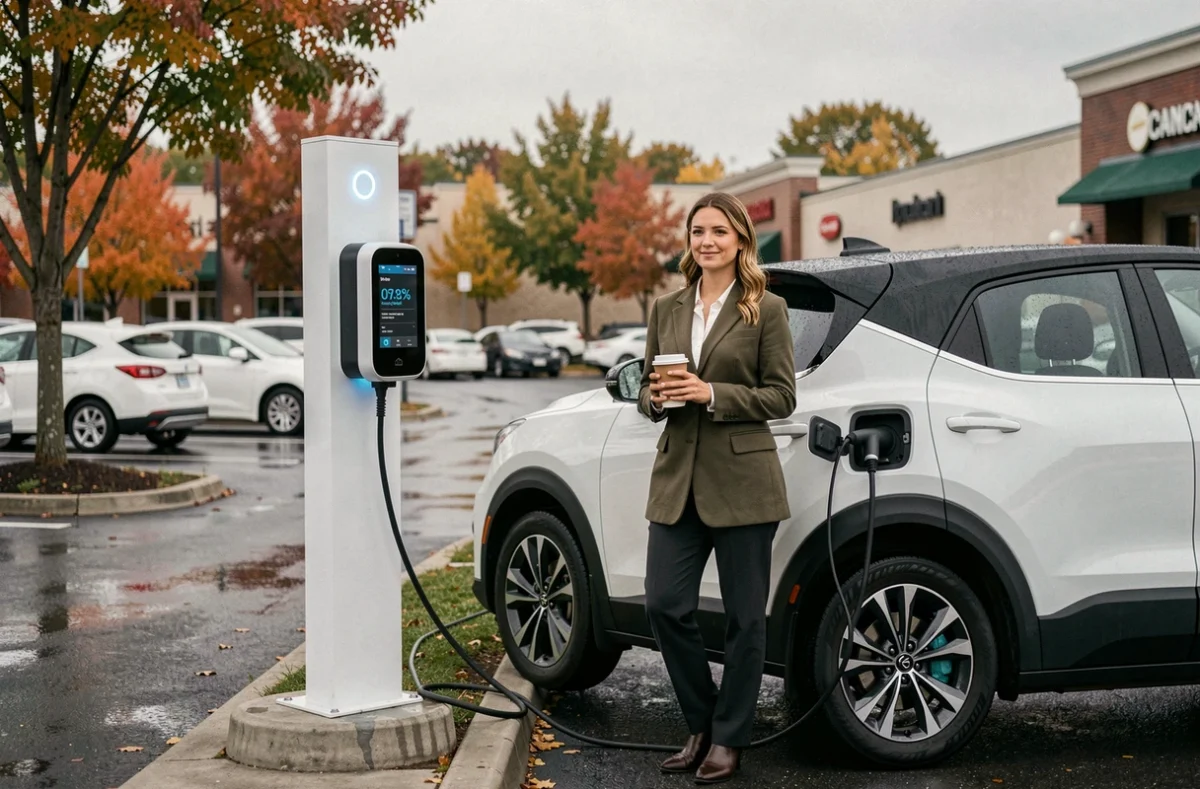
Price, simplicity and real-world use: what motorists want in 2026
The 2026 Paris Motor Show confirmed a shift in public expectations. Price and practicality are once again taking precedence over technological fascination. Visitors admire the concept cars, but ask about maintenance costs, real-world fuel consumption and resale value.
Simplicity is becoming a key expectation, and not just for environmental reasons. Motorists want useful technology, not gadgets. A touchscreen that makes it harder to adjust the air conditioning won’t win anyone over. This demand for practicality is prompting manufacturers to rethink their equipment priorities.
The return of the fun-to-drive car, identified as a trend by several show observers, does not conflict with this focus on simplicity. Rather, it reflects a rejection of purely utilitarian vehicles: buyers want a car that’s enjoyable to drive, not just a mode of transport optimized by an algorithm. Models that combine efficiency, an affordable price and driving enjoyment are attracting the most attention.
The automotive industry in 2026 is changing on every front, from powertrains to software, and from motor shows to charging networks. But this transformation only makes sense if it remains accessible to as many people as possible.
The gap between manufacturers’ stated ambitions and the average spending power of French households remains the most tangible point of friction in this transition. The next rounds of social leasing and the arrival of Asian entry-level models will show whether the market can close that gap.