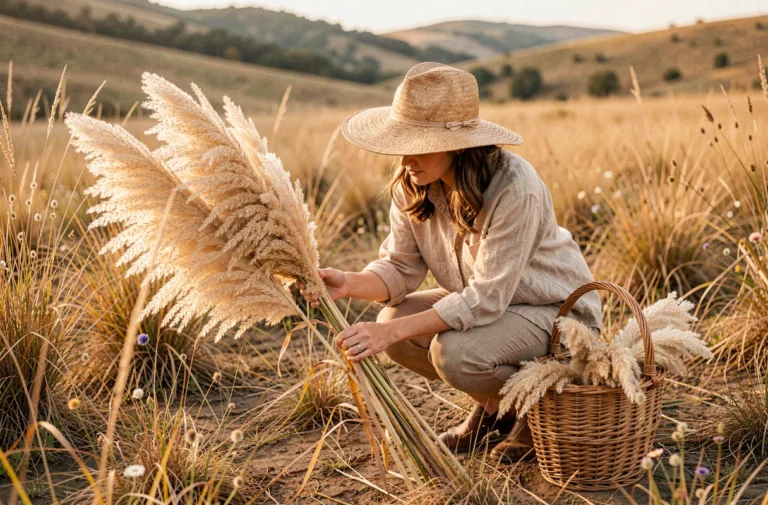
The regulations on green waste management impose strict constraints but surprisingly allow for initiative from individuals willing to rethink their practices. Some tools marketed as “eco-friendly” do not always deliver on their promises when faced with the reality on the ground. However, proven solutions exist to optimize the shredding of plant materials and limit the environmental impact of gardening.
Urban farms, long reserved for activist collectives, are now opening up to a broader audience, offering services tailored to city dwellers seeking food autonomy and waste reduction. The challenges of efficiency and sustainability thus converge in a rapidly expanding offer.
Why zero-waste gardening is attracting more and more enthusiasts
Transforming one’s vegetable garden into a daily experimentation ground intrigues and motivates. The idea of a garden where nothing is wasted, where every leftover finds its place, resonates well beyond engaged circles. Composting, mulching, valorizing plant residues: everything comes together to rediscover a form of sobriety after years of practices that have sometimes exhausted both the land and patience. This movement rehabilitates the act, prioritizes transmission, and invites stepping away from industrial patterns.
It is no longer a matter of uniformity but of multiple resources. On the platform, everyone can draw from a selection of books, audio books in PDF, notes or practical plans, original compositions, and music designed to accompany each step of the journey. Discover L’Herbe sous le Pied online is akin to opening a space where rigor meets creativity, stimulating both reflection and action.
The history of words and gestures also occupies a special place. The expression “Cutting the grass from under someone’s feet” sheds new light on the relationship between agriculture, anticipation, and missed opportunities. Archives, educational modules from the Académie Français Authentique, and workshops invite revisiting the fundamentals, blending know-how with mastery of the language.
Those who frequent the platform do not simply want to garden. They seek to understand, to transmit, to document. They expect tools that are reliable, dependable resources, and methods that have proven effective. Exploring all the sections and services of L’Herbe sous le Pied online is to choose openness, diversity of perspectives, and the strength of an active community.
What tools and tips for truly effective plant shredding?
Everything begins with observing green waste. Flexible branches, dry twigs, tough foliage: each type requires particular attention and appropriate adjustments. It is better to invest in a sturdy shredder capable of handling varied volumes without faltering. On L’Herbe sous le Pied online, illustrated guides with photos and videos detail the actions that transform these residues into allies for the soil.
Using tools wisely does not come spontaneously. Maintaining blades, finding the right rhythm, and pre-sorting: these actions prevent premature wear on the equipment and ensure a homogeneous mulch. The new version of the site provides technical documents, audio books, and audio excerpts to delve deeper into each step at one’s own pace.
Here are some recommendations based on shared experiences:
- Alternate between green branches and dry wood to facilitate passage through the machine.
- Refine sorting by removing overly hard or waterlogged pieces before shredding.
- Remember to regularly clean the conduits and check the condition of the blades.
Some users go further and share their photos of the resulting mulch, highlighting the differences based on the chosen tool or technique. A dedicated section showcases this feedback, blending technical analysis and practical advice to collectively progress towards truly effective shredding.
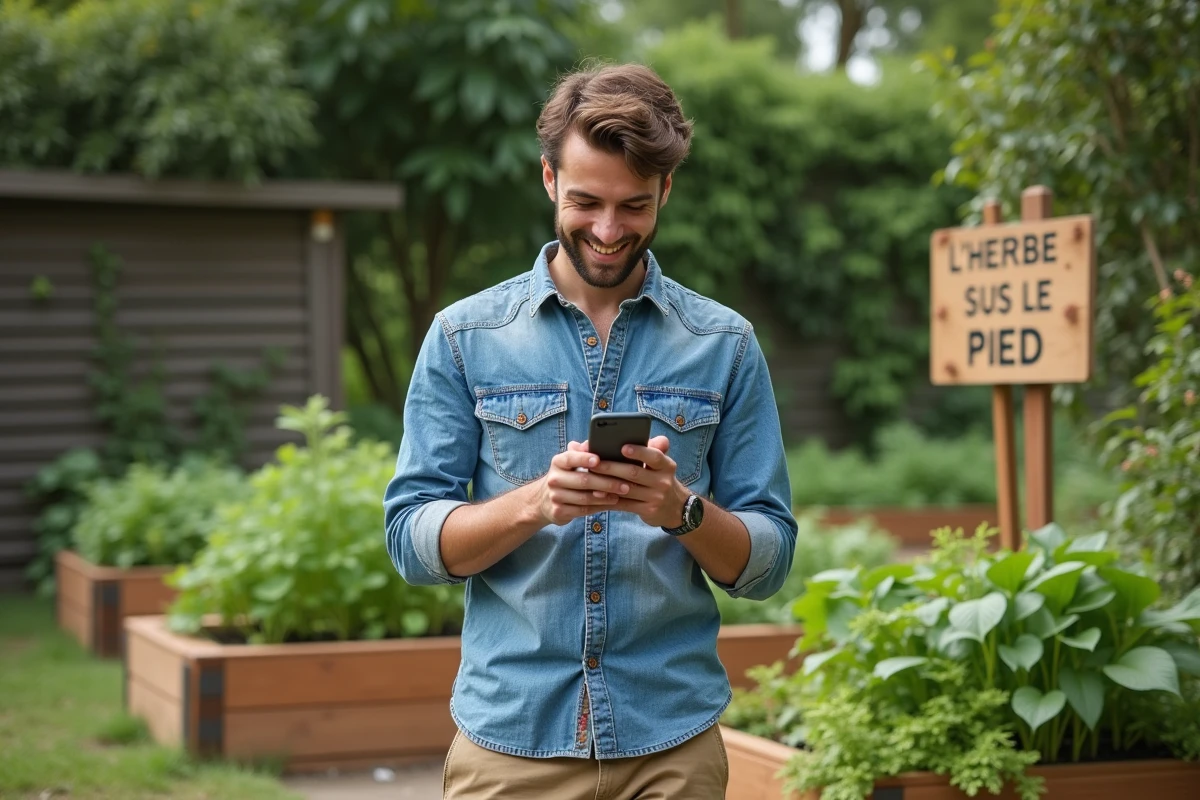
Discovering urban farms: cultivating differently in the city
In the heart of cities, the urban farm is revolutionizing our relationship with the land and food. From Paris to Saint-Lambert, shared gardens, rooftop vegetable patches, and vertical greenhouses are multiplying. Concrete gives way to chlorophyll, and vegetable production is making its way into the urban landscape, changing the game for residents and the urban park.
This evolution, well-documented through photos and testimonials on L’Herbe sous le Pied online, makes the transformation of public space tangible.
Each urban farm offers its own range of practices: organic farming, composting, experimentation with ancient or resilient varieties. Residents, often grouped into collectives, engage to create spaces for transmission and exchange. Schools, community centers, and social hubs are also getting involved, offering visits and workshops. The dedicated section highlights these initiatives, showcasing events and gatherings, whether festive, cultural, or sporting, thus demonstrating the energy that drives these new urban territories.
The archives also remind us of the place of the urban farm in collective memory. Filmmakers like Paul Meyer (“L’herbe sous les pieds”) capture the poetry of daily life between concrete and rediscovered nature. The glass artisans of Val Saint-Lambert show that being rooted in the city does not prevent the perpetuation of ancient crafts. L’Herbe sous le Pied online fosters dialogue between heritage, current events, and innovation to outline the contours of a more open, inventive, and vibrant city.